What to Do About the Downside Questions Asked of Female Founders
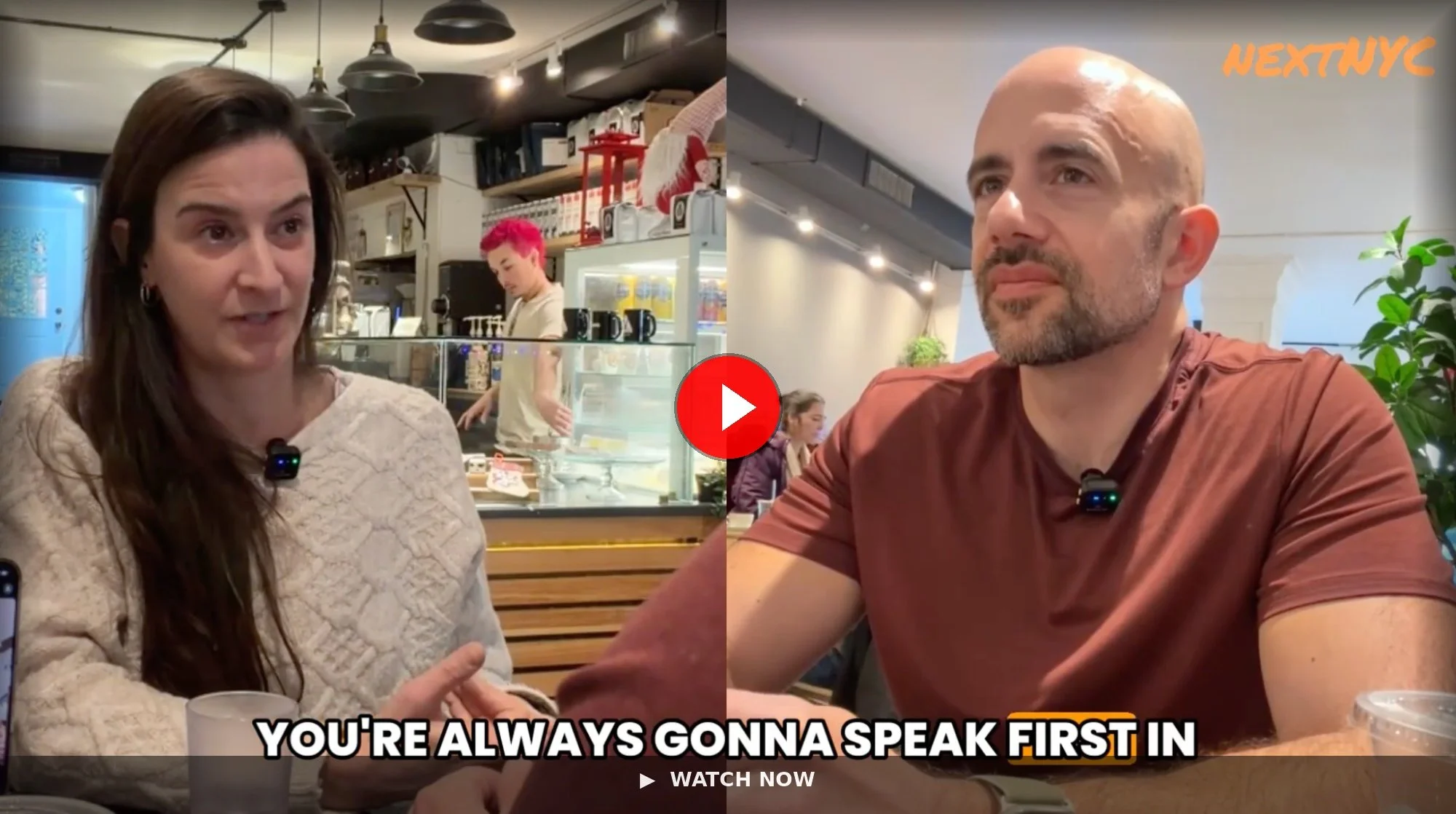
What happens when two running friends sit down to have a conversation about gender bias and fundraising? Click the image to find out!
One of the best pieces of fundraising advice I ever gave — and honestly didn't fully appreciate until I said it out loud — came out of a conversation I was having with Lauren Pearl, a CFO advisor who works with a lot of early-stage founders on bias in fundraising.
Specifically, the well-documented phenomenon where female founders get asked disproportionately more risk-focused questions than their male counterparts. The HBR study on this is worth reading. The basic finding: investors ask women "prevention" questions — what could go wrong, how do you protect against downside — and men "promotion" questions — what's the opportunity, how big can this get.
Lauren was making the point that founders who face this kind of bias need to be extra prepared. Have the numbers buttoned up. Be ready to defend the model. Know every assumption. I agree with all of that, up to a point.
Here's where I pushed back: Don't answer the question.
Not literally — I don't mean be rude or evasive. I mean: getting the question right and answering it well are two completely different things. And if someone's spending 70% of the meeting asking you about downside risk, and you spend 70% of the meeting answering those questions thoroughly and correctly, you've still lost.
Nobody has ever written a check because the founder did a great job defending the bear case.
The goal of a pitch meeting isn't to answer every question you get asked. The goal is to spend as much time as possible talking about why this thing could be massive. Investors write checks based on upside. Full stop. And if the bias in the room is pulling the conversation toward risk and downside — intentionally or not — then your job is to redirect without being dismissive.
That's actually a harder skill to teach than "know your numbers."
I've watched founders — and this is much more common among women, in my experience — answer a question so thoroughly that they spend five minutes in the weeds when they should have taken fifteen seconds to acknowledge it and pivot back to the opportunity. Something like: "Great question, and we've modeled that out — happy to go deeper after if useful — but what I think is actually more interesting is how fast the dentists who adopt this are growing..."
That's not dodging. That's selling.
There's a sales technique that's actually decades old — you've probably seen it and not realized what you were watching. The opener is something like: "Here's how I'd like to spend our time together. I'll give you a quick overview of what we're doing, and you can tell me pretty quickly whether this is something worth going deeper on. Does that work for you?" And then the whole room has opted into your agenda. They consented to the structure. It's elegant. It works.
Founders — especially founders who are likely to face tougher scrutiny than average — should be doing the equivalent of this. Not just preparing answers, but preparing the architecture of the meeting. Where do you want the conversation to go? What question do you want them to ask you? How do you get there from wherever they start?
The power dynamic in a fundraising meeting feels real. Someone has money, you need it, and they're asking the questions. But that's not actually how it works if you're good at this. The best founders I've seen treat the meeting like a conversation they're leading, not a test they're taking.
You're not there to get graded. You're there to show someone a picture of a future that's so compelling they're scared to miss it.
The bias question and the room-control question are connected in a way that I think doesn't get discussed enough. If you know going in that the questions are likely to skew negative, then the countermove isn't just having better answers to those questions. It's having a plan to keep the conversation from living there.
You can be prepared for every single worst-case question and still lose the meeting if that's all you talked about.
Want more takes like this? Check out my upcoming book, Founder Unfriendly: What Investors Won't Tell You About Getting Funded.