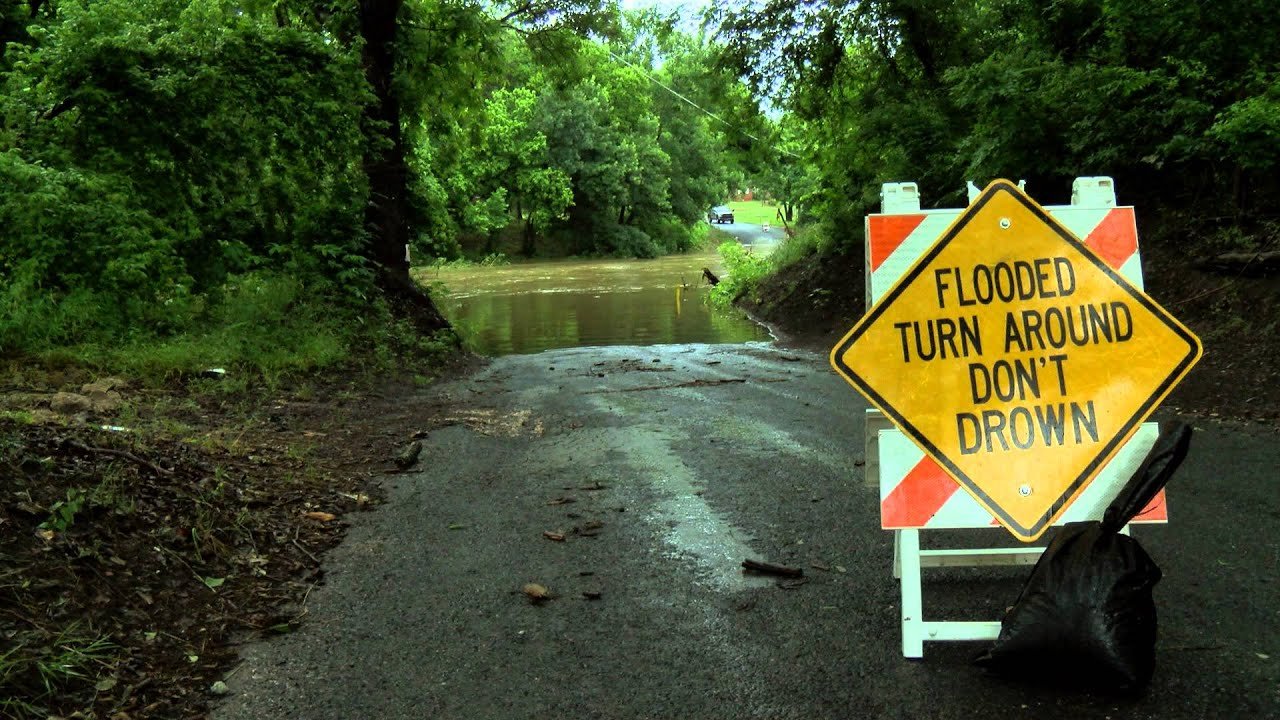
Do you Experience Rejection as a Roadmap or a Flash Flood?
A founder I've been working with described a feedback session we had as being "ripped apart."
Call me a New Yorker, but I don’t think I ripped him apart.
In my view, I'd offered some observations — things that weren't landing, a framing change or two, and things he needs to sharpen and answer for himself. Normal stuff based on my 20 years in venture and the kind of feedback that, if you're going to raise money, you need to be able to receive, process, and use.
But, in his retelling, it was something more dramatic. Something that happened to him.
When I pointed this out — gently — he paused and said, "I think I might have rejection sensitivity disorder."
I’d never heard of it, but it’s actually a real thing. Or at least, a real observed phenomenon if not a clinical diagnosis. In my research, Rejection Sensitive Dysphoria is most commonly associated with ADHD, and it refers to “intense emotional pain in response to perceived or actual rejection, criticism, or failure”.
The reaction is neurological, not just psychological — and it's often disproportionate to what actually happened.
For any founder that experiences such a reaction, fundraising presents a problem. Raising money is basically a prolonged, structured rejection gauntlet. You pitch 50 people. 45 say no. Of the 5 who say yes to a meeting, maybe 1 writes a check. And that's if things are going well.
If every "no" lands like a referendum on your worth as a human being, you are going to have a very bad time.
I had another founder — different conversation, different feedback — who responded to something I said with: "Your response made me laugh and crumble simultaneously. I appreciate the frankness — it is the kindest thing."
Laugh and crumble simultaneously. That's a reaction she can build on and learn from. Not defensive, not devastated — but kind of both things at once, held together. That founder didn't experience the feedback as an attack, even though it wasn’t easy to take. They experienced it as information, delivered by someone who cared enough to be honest. It was emotional, but still usable.
Same input. Completely different reception. That gap is can make the difference between success and failure in a pitch. When you’re able to turn rejection into a roadmap, you can get to work on achieving your end goals.
When rejection is a flash flood, it makes you feel like the path has been washed away.
I've been thinking about this in a different context too. A friend of mine threw a big birthday party dinner recently, and the turnout was genuinely great — warm, full of energy, the kind of night you remember. I found myself struck by it.
At first I felt like she's just better at maintaining friendships than I am, because I might not have gotten the same turnout, but then I realized a lot of people got that invite. It’s kind of how she runs all of her gatherings—let everyone know, and whoever shows up, shows up.
In that sense, she has a remarkably high tolerance for what most people would experience as rejection. The invite list was large—way larger than most people would feel comfortable sending, so technically far more people said no than yes.
But she didn’t seem to mind that at all. She just experienced the people who showed up.
I do the same thing with a conference I run for founders called the Pre-Series A Offsite. We get around a dozen or so Series A check-writing VCs to spend a full day with us. It’s a huge ask, but it makes it worthwhile for the founders who attend. That’s why we’ve been able to get companies like Spring Health ($2.5 billion valuation), Hugging Face ($4.5 billion valuation), Brigit (acquired for $460M), Air ($63M raised), Hone ($52.4M raised), and MixLab ($41.6M raised)—all before their Series A. Founders are busy, so we have to make it worthwhile.
To actually get our dozen investors this time around, I had to send 77 invitations. That’s about a 15% acceptance rate, or if you’re focused on the other side, 85% of the VCs that we ask don’t want to come. :)
So while some people might think, “That’s amazing that you get all those VCs to come from firms like Lightspeed, GV, Insight, etc” what they don’t see is everyone who didn’t even respond.
I’m fine with that. People are busy. It’s a huge ask. Maybe I’ll get them next time.
Most of us quietly curate our invitation lists to protect ourselves from the sting of low attendance. We tend not to ask hard questions of people we know won’t go easy on us. We stick to friendlies and narrow the ask to control the outcome. We'd rather invite 10 people and have 8 show up than invite 100 people and have 30 show up — even though the second scenario is objectively better as an outcome (unless you’re an introvert, of course).
The founders who fundraise well tend to have this same quality. They can send 200 cold emails, hear back from 12, meet with 6, and move on without a crisis. They're not deluded — they know most people will say no. They just don't let the no's accumulate into a story about themselves.
What I keep coming back to is how invisible this is as a constraint.
You can't fix a constraint you can't see.
I don't think low rejection sensitivity is something you either have or you don't. I think it's something you can work on — deliberately, by separating the outcome from your identity. A pass on your pitch is information about fit, timing, and stage. Feedback that makes you crumble is only useful if you can also laugh.
The kindest thing someone can do for you is tell you the truth. Whether you experience it that way is up to you.