Are you Better at Running the Company Or Running Your Board Meeting?
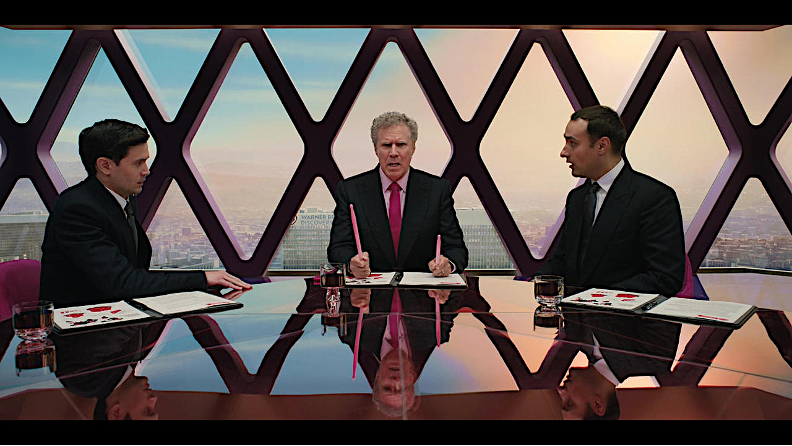
Some of the best operators I know are terrible in their own board meetings. On the other hand, I know quite a few founders better at smooth talking their boards than they are at actually executing.
That sounds like a contradiction. It isn't. Running the company and running the board meeting are two different skills, and plenty of founders are great at the first and bad at the second. How much that costs you comes down to one thing: how often your investors see you anywhere else.
Some investors are in it with you every week. A standing call, a Friday text thread, a Slack channel they actually read. Some founders want that. Plenty can't stand the idea of investors that far into the day-to-day and keep them boxed into the boardroom on purpose. That's a fine choice. It has a price. The less your investors watch you operate, the more the board meeting becomes the whole story. Box them into that room and the room has to be perfect, because it's all they get.
They don't sit in your standups. They don't see you unblock engineering, talk a key hire off a ledge, or make the call that saves the quarter. If the meeting is all they get, then ninety minutes every six or eight weeks becomes their entire read on how you run the company, even when it has nothing to do with how you actually run the company.
So you can be crushing the job and still lose ground every meeting. The benefit of the doubt. The room to operate. The investor's instinct to back you next round instead of manage you through this one. Losing your investors' confidence in a board meeting is its own problem, and it has very little to do with how the business is doing. It also compounds.
I've watched how a good operator turns bad in that room. Someone asks the hard question: Q4 revenue, when you hit break-even, what CAC payback looks like once you turn spend back on. The founder who knows the business cold pauses. Not because they don't know it. Because they know it too well. They know the real answer depends on five things that aren't settled yet, doubly so before product-market fit or before the go-to-market is predictable, and they won't fake it. So they hedge. In a room that rewards whoever sounds surest, an honest hedge reads as not knowing your own numbers. The most grounded person at the table comes off as the least in control of it.
That pause doesn't stay empty for long. An investor, a board member, the exec who always sounds certain, somebody's confidence rushes in to fill it. Not because anyone's out to get you. Because that's how rooms work. That's the confidence vacuum, and it's how "I lost the room today" becomes "I lost the company" a few reasonable-sounding decisions later.
If you're not good in that room, the first fix isn't to grit your teeth and nail the next meeting. It's to stop asking one meeting to carry everything. Show up more often, in more formats. Send a monthly update good enough that nobody walks in cold. Call your board members one at a time before the meeting so nothing in the room is news. Surprises are what hurt you. Text when a number moves, up or down. Confidence you build a little at a time doesn't blow up over one rough ninety minutes, and the founders who own the room usually did the work before they ever walked into it.
The second fix is to get good in the meeting itself. One of the ways to do that is to get help—bring the amazing people you hired into the room. If your bench can’t wow your investors, you have a bench talent problem. Plus, it’s sometimes easier to critique and coach someone else than it is to coach yourself.
What I don’t meet when I say get good is to fake confidence—for a founder to perform a certainty they don't have. That's how you actually lose the company. You commit to numbers to win a meeting, then burn two quarters explaining why reality didn't cooperate. Bravado fills the vacuum with the wrong thing. Knowing your numbers cold was never about predicting the future. It's being fluent enough in what drives the business that you can sit in the uncertainty without flinching when someone pokes at it. "Fourth quarter revenue depends on X things. Here's the range and the impact on cash. Here's the one input that moves it most. Here's what we're doing this month to tighten it."
That’s actually the most confident thing you can say in that room.
My friend Chris Fenster is joining me for a webinar on this Wednesday, June 24th, at noon ET. Thirty minutes, free: The Confidence Vacuum. Join us.
He's spent eighteen years inside the financials of hundreds of startups at Propeller Industries as a fractional CFO, which means he's watched plenty of excellent operators freeze on the one question they should have owned. He's seen it from the operator's chair as well as CEO of the company. I'll bring the board seat: what losing the room looks like from the other side of the table, and why the founders who keep control are never the loudest ones in it.
We're getting into it. Bring the question you've been dreading.
To the investors reading this: you've sat across from this founder. Sharper than anyone in their own building, somehow can't win the room they're sitting in. I want your stories. Where did you work with a founder who was better at the job than at the board meeting, and what actually turned it around?
Hit reply.
Nobody thinks of the board meeting as the job. It is. The founders who keep their companies are the ones who figured that out before it cost them.
There’s also a book worth checking out on this written by Bred Feld and Matt Blumberg: Startup Boards. It’s the perfect next thing to read after you raise when you’ve read my book, Founder Unfriendly: What Investors Won't Tell You About Getting Funded. :)