Sourcing Versus Thinking: Should We Put the Deal Flow Sharing Call to Bed?

Everyday, throngs of mostly junior investors join deal flow calls--regularly scheduled check-ins to "compare notes" on what's out there and being considered.
It's a careful dance. You want good deals back, but you don't want to give away most of your good stuff. You're saving that for better firms than who you're on the Zoom with now.
But wait... Do they think you're the better firm or do they think they are? Are you getting their best stuff or are they just trying to tease you out of yours?
What if you share something you like and they neg it, or worse, they've already passed on it? Are you going to be in your head about it now and suffer from a loss of enthusiasm?
My personal opinion is that these calls are a colossal waste of time--and it's one of the aspects of the job that I hope AI eliminates. Tools like Harmonic allow VCs to search the universe of founders faster and more directly to fill their pipeline. I also think we'll see a lot of movement in better, more informed CRMs where these tools get to know more about what we're looking for, enabling higher signal intros and sharing directly to the handful of investors who care about this one specific thesis.
Instead, I think junior investors need to develop taste and sharpen their judgement if they're going to be valuable contributors to their firm—or even developing visible expertise so that they’re able to source founders first, before others. If you can get someone to seek you out for your feedback before they seek you out for a check, that’s a superpower.
(Note, this is something I help early/mid career and aspiring VCs think through in my coaching practice.)
So what should they be doing when they connect with others?
How about sharing ideas, not deals?
It might not lead to fuller pipelines, but could it lead you to that one insight that turns into your best deal.
Any agent can shuttle bulk company data around and screen for rightness of fit, leaving you more time to meet with thoughtful people--not just investors, but operators, buyers, designers, educators, researches and ask what they believe about where value is being created, what the true nature of problems are, and what problems are around the corner.
If everyone had a better view of what bottlenecks everyone hits next, it wouldn't be that hard to surface who is working on it.
How much of your time do you or people on your team spend learning from others unrelated to a specific in process deal?
When's the last time a conversation with a peer sharpened your thinking? Gave you better pattern recognition? What meetings make you faster and more convicted for when the right deal finally shows up.
The other problem with deal sharing calls and meetups is that even when you trust the person sharing, the signal is still weak.
Deals in the consideration phase are not deals. They're hypothetical interest. The only meaningful signal is a professional investor who has actually committed. Everything else is hand-waving.
Why do we keep scheduling these calls?
A lot of it comes from how VC networking actually works in practice, especially for junior people and smaller funds. Nobody gets structured training on how to build relationships in this industry. We hire hustlers, send them out to "network", and deals become the default common currency. Deals are concrete, shareable, and make you sound plugged in. Adding them to a pipeline looks and feels like work.
It's something you can show to GPs--who probably wouldn't think highly of their team if the answer to what they've been doing all day is, "Thinking about what comes next." In what ways do you reward better thinking at your firm versus more pipeline adding?
The 25 most knowledgeable people about a specific domain is a mix of experienced operators, early employees at relevant companies, potential customers, and yes, some investors. There's no version of reality where all 25 of the best people to push your thinking to are all VCs.
So why are other investors such a disproportionate percent of our calendars after founders?
The logic is that someone with hundreds of deals in their CRM must be a more efficient path to finding one you actually want to do. It isn't. It's just a bigger haystack. If you want to know which enterprise security product is quietly changing how buyers behave, the person who can actually tell you is probably an enterprise security buyer — not someone who's been pitched by fifty companies trying to sell to enterprise security buyers.
Let's stop pulling rabbits out of hats for each other and spend more time debating what makes for good magic or where magic goes from here.
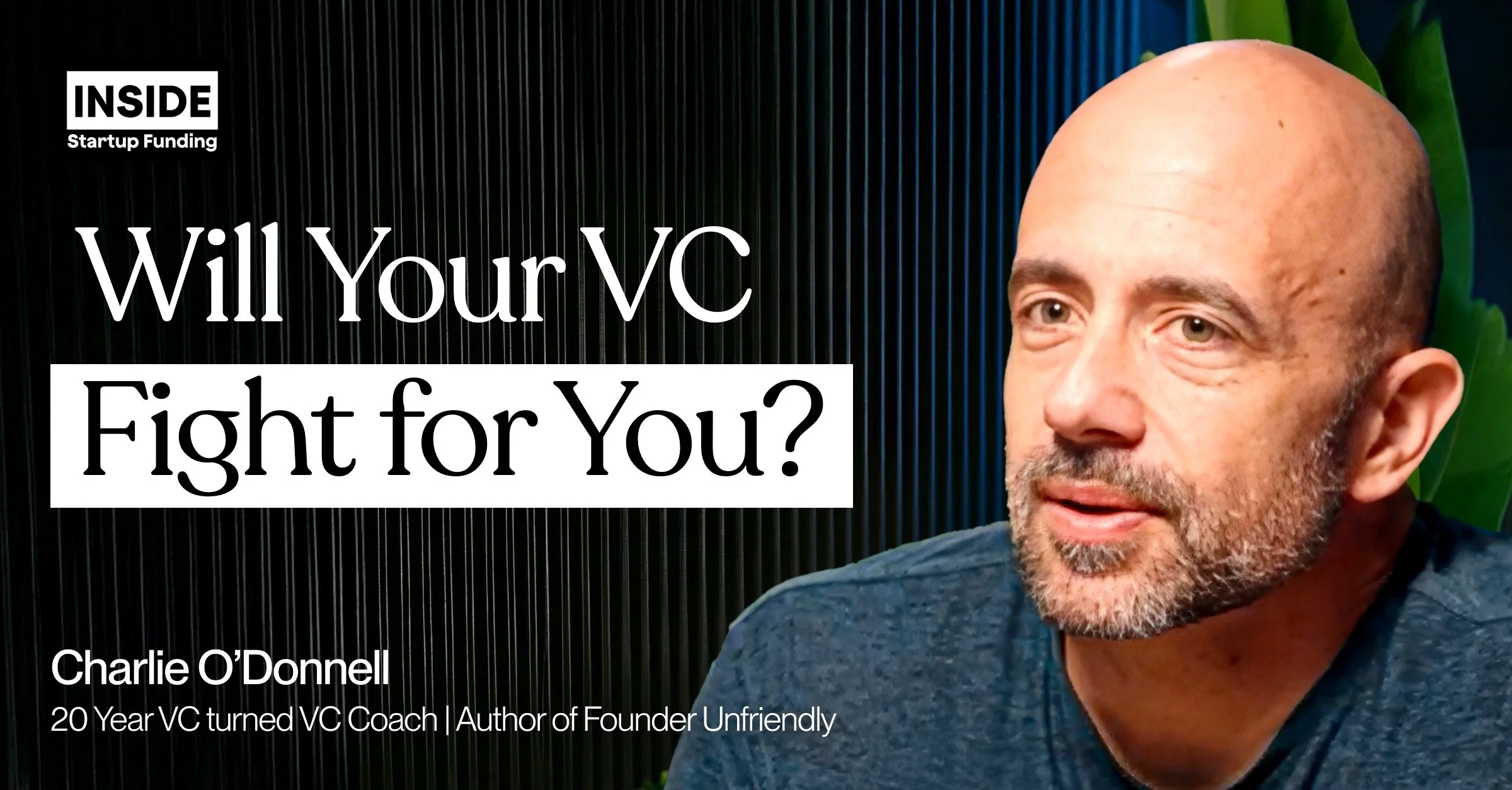
Catch my episode of “Inside Startup Funding” here (or wherever you eat your podcasts), where I discuss the lessons of my new book, Founder Unfriendly: What Investors Won't Tell You About Getting Funded.