Time is More Valuable Than Money
For a long time, I had a bad gut reaction to expert platforms like Intro.
I’d see ads like “Book Alexis Ohanian for $2,000” and think: “Really? He’s a good guy, but does he really need the money?”
(As it turns out, Alexis uses his Intro earnings to support causes like climate change and to positively impact the lives of marginalized people… but that’s a lot to squeeze into an Instagram ad.)
It felt off–especially when influencers routinely decry charging founders for anything. The thinking goes that founders should only take advice from people who are successful enough not to need to sell their advice–folks who are writing checks versus receiving them.
But over the last year, while writing my book and spending even more time with early founders, my view has flipped. The fact of the matter is that anyone successful enough to be making investments is prioritizing their limited time. They’re trying to spend as much time as possible with folks who have the highest immediate upside potential–and they’re lucky enough to be surrounded by a lot of people worth investing time in.
The question I’ve come upon is where that leaves everyone else who is still trying to figure it all out–whose idea isn’t quite there yet, or whose next steps are surrounded by more questions than confidence?
That’s actually most people by number.
When I think about those founders, I think about the value of their time. It’s a big theme of my upcoming book.
Founders dramatically underestimate how expensive their own time actually is.
Most people who start companies are already:
Forgoing high-paying jobs
Delaying financial stability
Taking real personal risk in their prime earning years
Raising from friends and family–folks who often aren’t nearly as wealthy as professional investors.
That’s not cheap.
And yet, I constantly meet founders who are doing something incredibly costly: spending months (or years) building in the wrong direction because they’re missing one or two critical insights that only come from someone who’s been down this road before.
Not motivational advice.
Not “you got this.”
Not vibes.
Real, direct, experience-backed feedback.
The hard part? That kind of feedback is surprisingly difficult to get.
VCs often want optionality. They don’t want to offend you. They don’t want to be the person who says, “In my experience, this argument doesn’t hold” or “I don’t think this is going to work.”
What if you figure it all out?
Friends want to be supportive. They’re rooting for you and they’re usually not in a position to evaluate your idea with real pattern recognition anyway.
So founders end up in a weird middle zone: lots of encouragement, very little truth.
That’s where I’ve started to see real value in paid, targeted conversations.
If you’re quitting your job to start a company, staying at that job two or three months longer and spending a couple thousand dollars of this additional salary you didn’t originally plan on having on the exact right high-level feedback from the exact right person can be a fantastic trade if you don’t already have access to these networks.
This way, you get your ideas challenged earlier, avoid putting good money after bad ideas or you get real confirmation that you’re onto something worth pursuing
Either outcome is incredibly valuable.
That’s why I’ve decided to become an expert on Intro, which is where I’ll be directing founders who want advice.
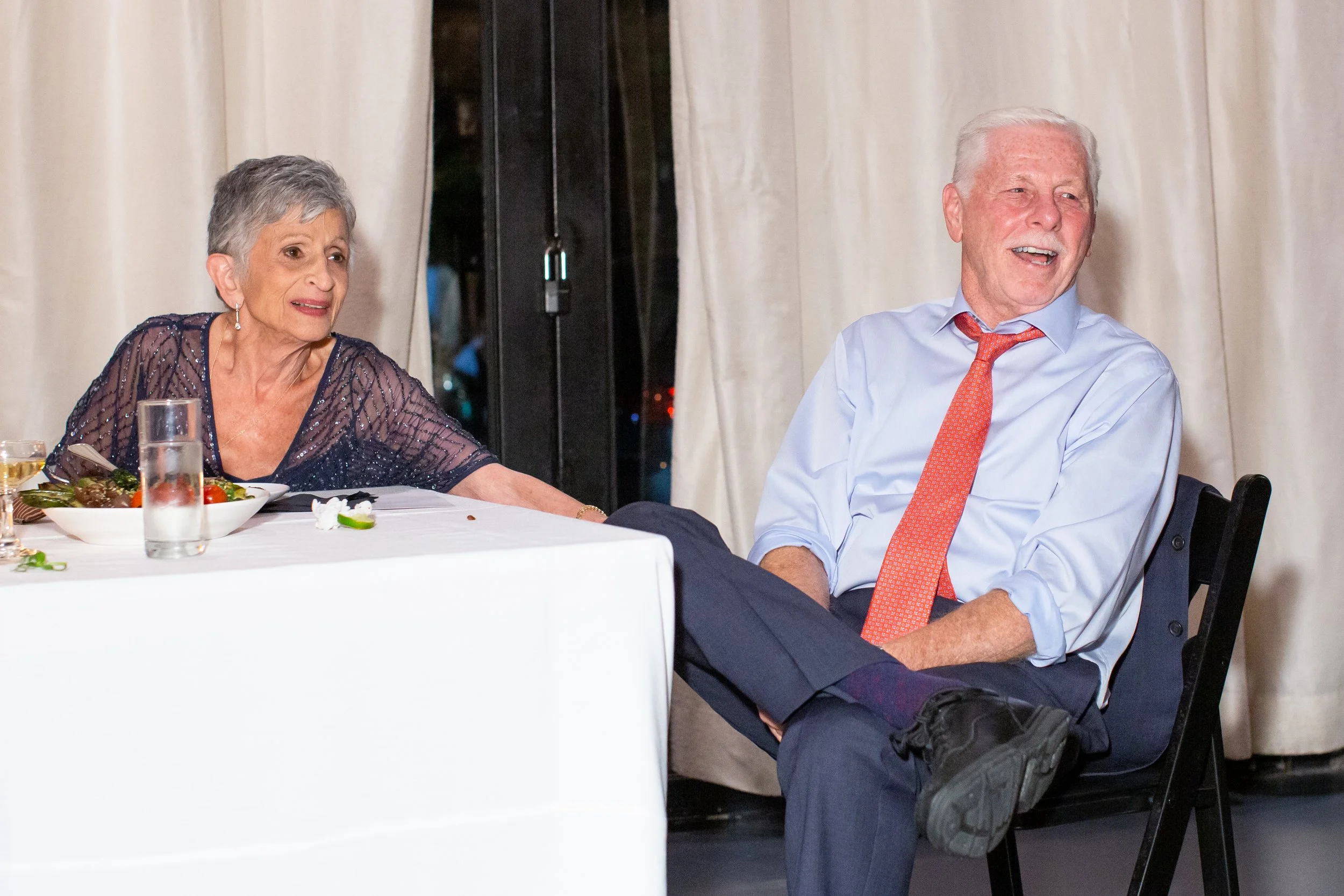
My goal in these sessions isn’t to tell founders what they want to hear. It’s to get to the heart of the argument, stress-test it, and give them advice they’re unlikely to get elsewhere.
To kick things off, I’m donating the first $2,000 of my Intro proceeds directly to the National Brain Tumor Society in memory of my parents. Both of my parents ultimately passed from brain tumors–my mom six years ago when an otherwise operable brain tumor was complicated by a long struggle with COPD and my dad from CNS Lymphoma a year ago.
NBTS is the largest non-profit organization dedicated to the brain tumor / brain cancer community in the United States.
In addition to traditional nonprofit research funding, the National Brain Tumor Society also operates the Brain Tumor Investment Fund as a separate venture philanthropy subsidiary.
I wouldn’t be who I am today if it wasn’t for them–and so making more time for founders and tech community professionals, and raising money in their honor, seems like a fitting way to kick things off with Intro.
If you’re a founder who’s early, in motion, and willing to have your ideas challenged, you can book time with me on Intro–or if I can be helpful in your path towards breaking into venture capital, you can book some time with me here: https://intro.co/charlieodonnell
(I can also chat about starting non-profit boathouses, breaking into triathlons, learning how to swim as an adult, or parenting–but the latter is probably where I have the least verifiable expertise.)
Or, if you don’t need anything in particular back for your support, you can support my raise directly here: https://nbtsevents.braintumor.org/charliesparents
I don’t think founders should blindly pay for advice.
But I do think founders should treat high-quality, well-targeted feedback as an investment.
Sometimes a few hundred dollars today can save you a few years and tens of thousands of dollars, if not more, tomorrow—and the time is the one thing you can never get back.